
How To Keep Your Ontario Lawn Healthy Throughout Winter
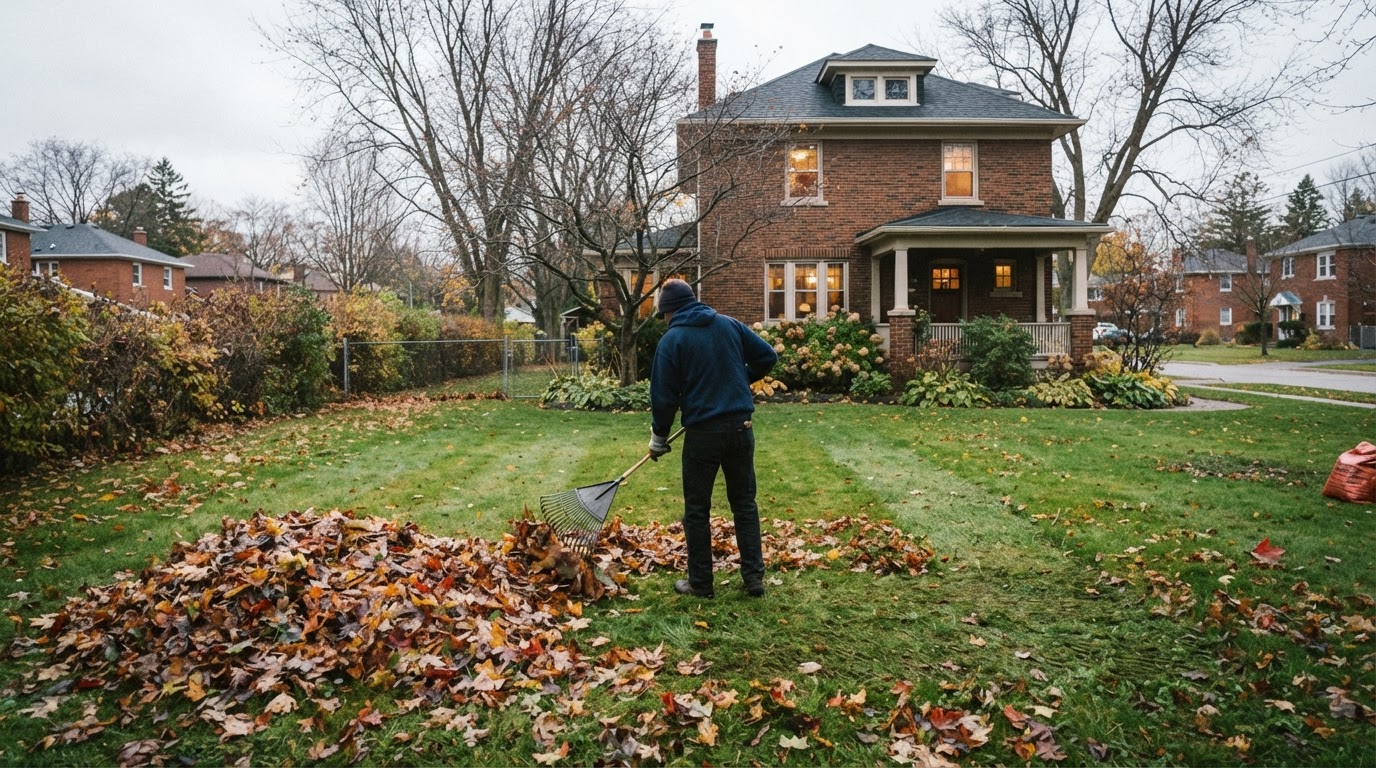
What you do with your lawn during the months of October and November can determine how well it's able to survive what can be a harsh, winter season in London, Ontario.
While some homeowners treat fall as a time of year to relax their garden care, this approach can have disastrous consequences for lawns. October and November are actually two months of the year in which your work in the garden can have the most impact. To help you use these months in the best way possible, here are some top tips from professional lawn care companies in London, Ontario:
Keep Mowing the Grass Until It Stops Growing
When the temperature goes down to around 5 degrees centigrade at night in late October, grass usually stops growing. Until this time, keep mowing the lawn, but drop the mowing height to about 2.5 inches. This will help limit snow mould by allowing sunlight to reach the crown of the plant.
Apply Fertilizer for the Last Time at the End of October
A fertilizer containing high levels of potassium and low levels of nitrogen, sometimes referred to as a 'winterizer', should be used as your last application, in mid-to-late October (early November at the latest). Apply it when the grass is no longer growing, but before the ground has a chance to freeze. This will help the grass to store energy in its roots ready for spring.
Overseed Now Instead of Spring
In Ontario, overseeding is best carried out at the end of August through to the middle of September, when the soil still has some residual warmth, competition for weeds has dropped, and seedlings have up to 8 weeks to establish before any frost arrives. If you miss this opportunity, you can do it in spring instead.
Don't Underestimate the Importance of Leaf Removal
Snow mould loves when wet leaves cover the grass in a thick mat, offering the ideal conditions for it to thrive. To prevent this from happening, get rid of as many leaves as you can before they start to mat down. Leaves that aren't more than an inch in thickness can be mulched with a mower, while thicker piles will need to be manually raked or blown.
If You Didn't Do It in Spring, Aerate in Early Fall
For cool-season grasses, fall provides the best aeration window, as the soil is still warm, grass grows into the holes before frost sets in, and there's fewer weed pressure than in spring. Try to aerate when the daytime temperature is still at a high of more than 10 degrees centigrade, which is usually from September through to the middle of October.
Clean Your Beds and Garden Borders Out
In late September or October, cut back any perennials, remove annuals, and pull up any leftover weeds before the frost kicks in. If you add a 2-3 inch layer of mulch over the beds, you'll help to insulate the roots and suppress any winter weeds that might germinate when spring arrives.
If Possible, Winterize Irrigation Systems
Before the first freeze of the winter, irrigation systems need to be blown out, as any residual water in pipes and heads will expand when frozen, then crack. Talk to a company providing landscaping services and lawn care in London, Ontario to see if they can help you with this in late October, along with any other last minute fall prep that you haven't had time to carry out yourself.
Creating a timeline using the information outlined above is the best way to ensure that your lawn stays as healthy as possible throughout fall and winter. Alternatively, you can schedule regular visits from a garden care company who will manage the calendar for you, and give your lawn its very best chance of survival.
Ready to Winterize Your Lawn?
Our team is ready to help you protect your lawn through the coldest months of the year.
Get a Free Quote